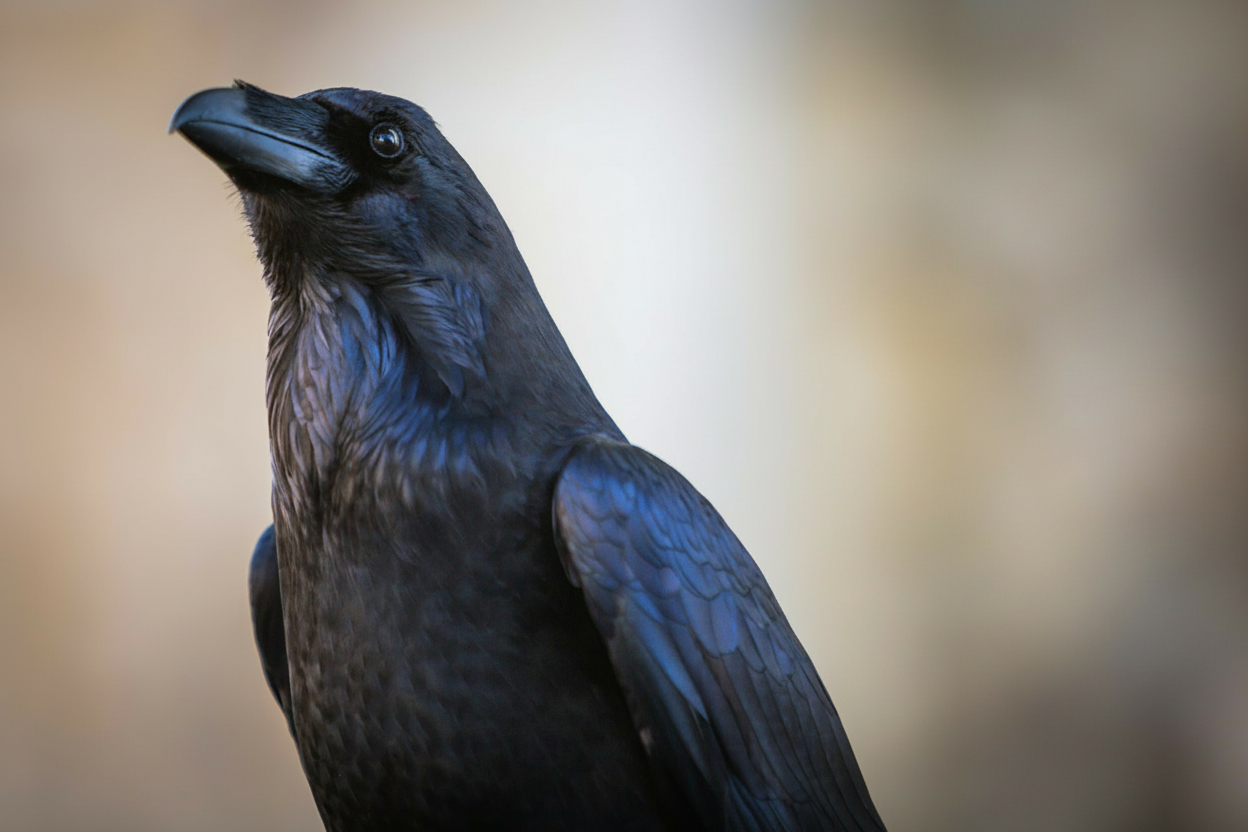
The Tower of London ravens are among the most iconic residents of this historic fortress. These majestic black birds have captivated visitors for centuries, surrounded by legend, superstition and royal tradition. If you're planning a visit to the Tower of London, understanding the story behind these remarkable ravens adds a fascinating layer to your experience.
Why Does the Tower of London Have Ravens?
The Tower of London ravens are steeped in centuries-old tradition. According to legend, the kingdom and the Tower will fall if the six resident ravens ever leave the fortress. This prophecy has made the ravens an essential part of Tower life since at least the reign of King Charles II in the 17th century.
Historical records suggest that ravens have been associated with the Tower for hundreds of years, likely drawn to the site when it served as a royal palace, fortress and even an execution ground. The presence of these scavenger birds became so ingrained in Tower tradition that they eventually gained protected status.
The Tower of London Ravens Legend
The ravens in Tower of London legend hold a powerful place in British folklore. The most famous myth states that "If the Tower of London ravens are lost or fly away, the Crown will fall and Britain with it." This prophecy supposedly dates back to the reign of Charles II, though some historians question whether the legend is quite that old.
What we do know is that the ravens have been carefully protected for generations. The tradition became so important that during World War II, when the Tower's raven population dwindled to just one bird, efforts were made to replenish their numbers to prevent the ill omen.
Tower of London Ravens Names
Each of the Tower's ravens has a distinctive name, often reflecting British culture and royal connections. Current and recent ravens have included:
- Jubilee
- Harris
- Gripp
- Rocky
- Erin
- Poppy
- Merlina (who famously went missing in 2021)
The Ravenmaster, a Yeoman Warder specially appointed to care for the birds, names each raven. These aren't just symbolic creatures—each raven has a distinct personality, and visitors can often see them wandering the Tower grounds during their visit.
Are the Tower of London Ravens' Wings Clipped?
One of the most frequently asked questions about Tower of London ravens is whether their wings are clipped. The answer is yes, but not completely. The ravens have some of their flight feathers carefully trimmed to limit their ability to fly long distances. This humane practice ensures they remain at the Tower while still allowing them to hop, flutter and move around the grounds freely.
The wing clipping is done carefully by the Ravenmaster and doesn't hurt the birds. They can still fly short distances and lead active, healthy lives within the Tower's walls. The practice balances the legendary requirement to keep ravens at the Tower with the birds' welfare.
Why Don't the Ravens Fly Away from the Tower of London?
Beyond the wing trimming, Tower of London ravens are well-cared for and have little reason to leave. The Ravenmaster provides them with a carefully managed diet, including fresh meat, bird biscuits soaked in blood, and occasional treats. They have purpose-built lodgings, veterinary care, and the freedom to roam one of London's most historic sites.
The ravens at the Tower of London receive exceptional care, making the Tower an ideal habitat. Combined with the wing trimming and the birds' territorial nature, these ravens have become permanent, pampered residents.
How Many Ravens Are at the Tower of London?
According to tradition, there must be at least six ravens at the Tower of London at all times, with a seventh kept as a spare. This ensures that even if one raven dies or goes missing, the prophecy's requirement is still met. Currently, the Tower maintains a population of six to seven ravens at any given time.
Tower of London Ravens Missing: What Happens?
When Tower of London ravens go missing, it creates considerable concern—both for the bird's welfare and the legendary prophecy. The most notable recent case was Merlina, a beloved raven who disappeared in early 2021. Despite extensive searches, she was never found.
The Tower responded by ensuring the remaining raven population was secure and that the minimum of six ravens was maintained. While the loss of any raven is significant, the Tower's team works diligently to protect these birds and uphold centuries of tradition.
The Tower of London Ravens Myth Explained
While the ravens at the Tower of London myth makes for compelling storytelling, historians have debated its origins. Some suggest the legend was invented or embellished in the Victorian era when romantic notions of medieval Britain became popular. Others point to references from the 17th century as evidence of a genuine historical tradition.
Regardless of the legend's precise origins, the Tower of London ravens have become an authentic part of British heritage. They represent continuity, tradition, and the enduring mystique of one of London's most important historical sites.
Visiting the Tower of London Ravens
When you visit the Tower of London, spotting the ravens is a highlight for many guests. These impressive birds roam freely around the grounds, and you might see them perched on the walls, hopping across the grass, or even "talking"—ravens are known for their wide range of vocalisations.
The Ravenmaster occasionally gives talks about the ravens, sharing insights into their care, personalities, and the history of the legend. Check the Tower's daily schedule for these special presentations.
Book Your Tower of London Visit
Ready to meet the legendary ravens in person? The Tower of London is open year-round and offers a fascinating journey through 1,000 years of British history. From the Crown Jewels to the White Tower, from the stories of famous prisoners to the iconic Yeoman Warders, there's something for everyone.
Book your tickets in advance to guarantee entry and save time on the day of your visit.
Experience the Legend Yourself
The Tower of London ravens are more than just birds—they're guardians of legend, symbols of tradition, and a living link to Britain's royal past. Whether you believe in the prophecy or not, these remarkable creatures are sure to capture your imagination.
Book Tower of London Tickets Now